
INTERNATIONAL JOB OPPORTUNITIES
Jobs in Germany
Looking for jobs in Germany? Polish Workers connects candidates with employers recruiting in construction, transport, logistics, production, hospitality, technical services and skilled trades.

LATEST OPPORTUNITIES
Current jobs in Germany

Staff Full-Stack Engineer (Next.js, Medusa)
Berlin or Paris, or remote within the EU, GermanyStaff Full-Stack Engineer (Next.js, Medusa) Germany job in Berlin or Paris, or remote within the EU. Salary 140000–185000 EUR/year gross.
View job →
Head of Data & Analytics
Berlin or Paris; remote from anywhere in the EU, GermanyHead of Data & Analytics Germany job in Berlin or Paris; remote from anywhere in the EU. Salary 135000–175000 EUR/year gross. Additional bonus avai…
View job →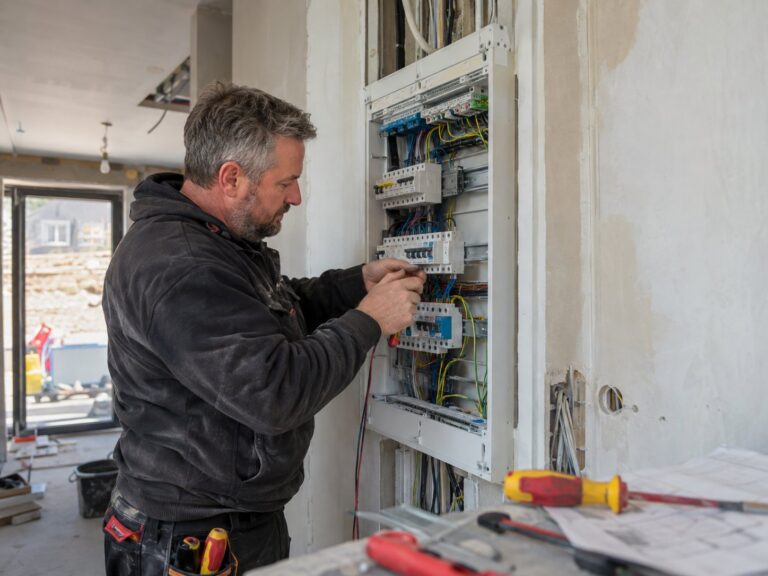
Electrician
Bonn, GermanyElectrician Germany job in Bonn. Salary 22.00–25.00 EUR/hour gross. Work in Electrical installations. View details and apply online.
View job →JOB LOCATIONS
Popular locations in Germany
MAIN CATEGORIES
Popular job sectors
E-commerce and technology
Explore current and recently published e-commerce and technology opportunities in Germany.
E-commerce / consumer technology
Explore current and recently published e-commerce / consumer technology opportunities in Germany.
Electrical installations
Explore current and recently published electrical installations opportunities in Germany.
Care and support
Explore current and recently published care and support opportunities in Germany.
Transport and logistics
Explore current and recently published transport and logistics opportunities in Germany.
Construction
Explore current and recently published construction opportunities in Germany.
COUNTRY GUIDE
Working in Germany: what to know
Germany has a large industrial and logistics labour market, but practical formalities are important. A written contract, address registration, health insurance and payroll documents should be clarified as early as possible.
Euro and regional labour markets
Germany uses the euro. Major employment regions include North Rhine-Westphalia, Bavaria, Baden-Wuerttemberg, Hesse and the northern logistics corridor.
Address registration
After moving into accommodation, residents normally register their address with the local registration authority.
Health and social insurance
Employees are generally covered through the statutory social insurance system, with health-insurance details needed for payroll.
LEGAL WORK & REGISTRATION
Before starting work in Germany
EU, EEA and Swiss citizens have unrestricted access to the German labour market and do not require a residence or work permit. People from other countries generally need the appropriate visa or residence title before taking employment.
This is a practical overview, not legal advice. Rules can change and individual circumstances differ.
Practical checklist
- Confirm whether your nationality requires a visa or residence title.
- Obtain a signed employment contract with gross salary and working hours.
- Register your address after moving into accommodation.
- Choose or confirm health insurance and give the details to payroll.
Official information
Information reviewed 2 September 2026. Always confirm the latest rules on the linked official websites.QUICK ANSWERS
Frequently asked questions
Do Polish citizens need a German work permit?
No. Polish citizens have EU freedom of movement and unrestricted access to the German labour market.
Why is address registration important?
The registration confirmation is often needed for further practical matters such as banking, taxes and correspondence with authorities.
CANDIDATE PROFILE
Who can apply?
- Candidates with practical experience in their profession.
- People already living in Germany or ready to relocate.
- Applicants with the language skills required in the individual offer.
- Workers with licences, certificates or trade qualifications where required.
- People who hold the required right to work or employment permit.
IMPORTANT DETAILS
Before you apply
- Check salary, working hours and contract type.
- Confirm accommodation and transport arrangements.
- Verify the workplace and expected start date.
- Prepare your CV and a short summary of relevant experience.
- Confirm all final conditions directly with the employer.
4 SIMPLE STEPS
How to apply for jobs in Germany
Choose an offer
Select a vacancy that matches your skills and availability.
Send an application
Provide your experience, contact details and CV if available.
Employer review
The employer reviews applications and contacts selected candidates.
Confirm conditions
Agree the contract, salary, schedule, accommodation and start date.
READY TO APPLY?
Find your next job in Germany
Browse the latest vacancies and apply directly to the offer that fits your experience.
MORE LOCATIONS
Jobs in other countries


Working in Germany: news & guides

Peak-Season Warehouse Jobs in Autumn 2026: Germany, the Netherlands or Poland?
A practical comparison of warehouse work in Germany, the Netherlands and Poland, covering 2026 wage floors, agency contracts, accommodation, forklift qualifications and work-permit checks.
Europe’s Factory Hiring Gap in Late 2026: Recruiting Welders, CNC Operators and Maintenance Technicians
Factory recruitment remains difficult across parts of Europe, but the shortage is not uniform. Official data from Austria, the Netherlands, Poland and Germany shows where employers should target…

Europe’s Clean-Energy Hiring Bottleneck in 2026: Recruiting Electricians, Installers and Technicians
Clean-energy investment is increasing demand for electricians, heating installers, technicians and engineers who are already sought by other sectors. Employers need a recruitment model built around transferable skills,…